Early Home Consoles
Before the famous crash, pioneering systems brought arcades into the living room. Blocky pixels, single-screen challenges, and imaginative overlay cards laid the crucial groundwork for everything that followed.

Revisit the pivotal eras that defined modern gaming. From the 8-bit revolution to the 16-bit console wars, explore our curated archive of the cartridges and systems that changed entertainment forever.
Tracing the hardware evolution that paved the way for the masterpieces of the late 80s and 90s.
Before the famous crash, pioneering systems brought arcades into the living room. Blocky pixels, single-screen challenges, and imaginative overlay cards laid the crucial groundwork for everything that followed.
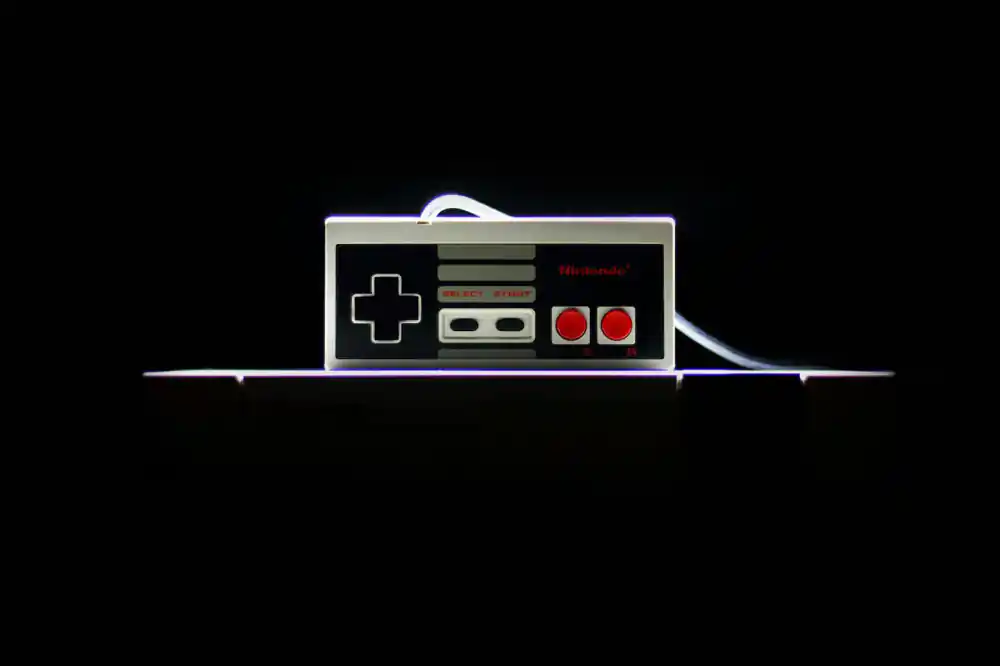
The era that saved the industry. Directional pads, scrolling backgrounds, and battery backups allowed for continuous narratives, massive worlds, and the birth of legendary gaming mascots.
The console wars ignited. With vastly expanded color palettes, multi-channel audio, and pseudo-3D mode scaling, developers pushed sprite artistry to its absolute zenith before the polygon era took over.
The side-scrolling masterpiece that single-handedly revitalized the home console market. Its precise jumping mechanics, memorable chiptune soundtrack, and brilliantly designed, intuitive levels established the vocabulary for video games for decades to come.
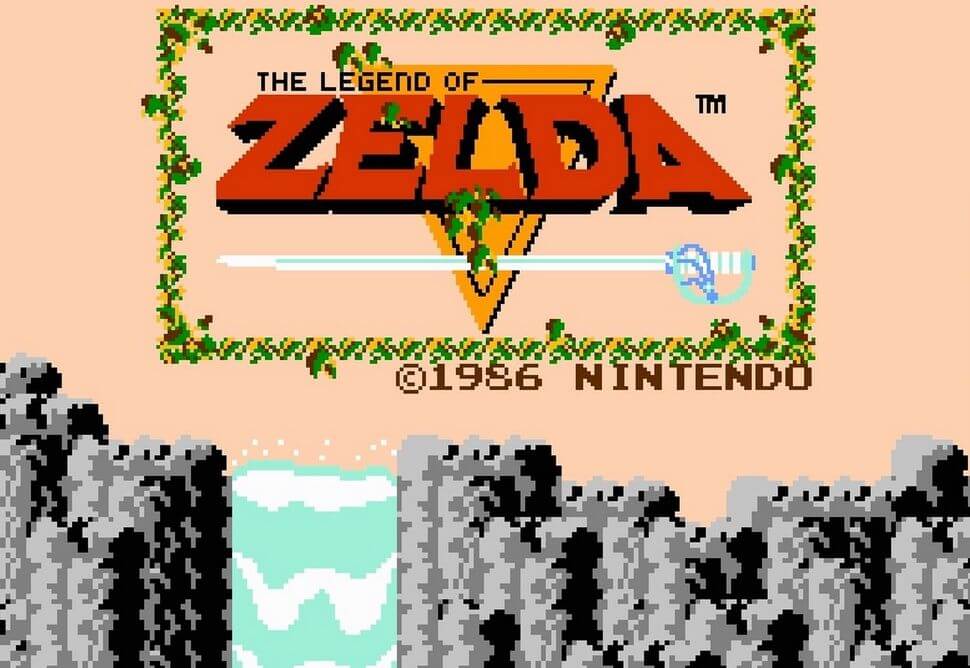
A masterclass in non-linear exploration. It handed players a sword, dropped them into a hostile fantasy world, and let them discover its secrets independently—aided only by a revolutionary battery backup save system.
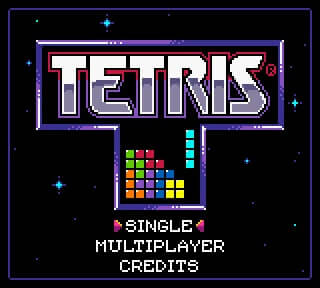
The ultimate puzzle game. Its deceptively simple mechanics of arranging falling tetrominoes tapped directly into the human desire for order, making it one of the most widely ported and enduring games in history.
Polishing its predecessor's rock-paper-scissors boss weapon system to perfection, this sequel offered non-linear stage selection, unforgettable boss themes, and tight run-and-jump gameplay.
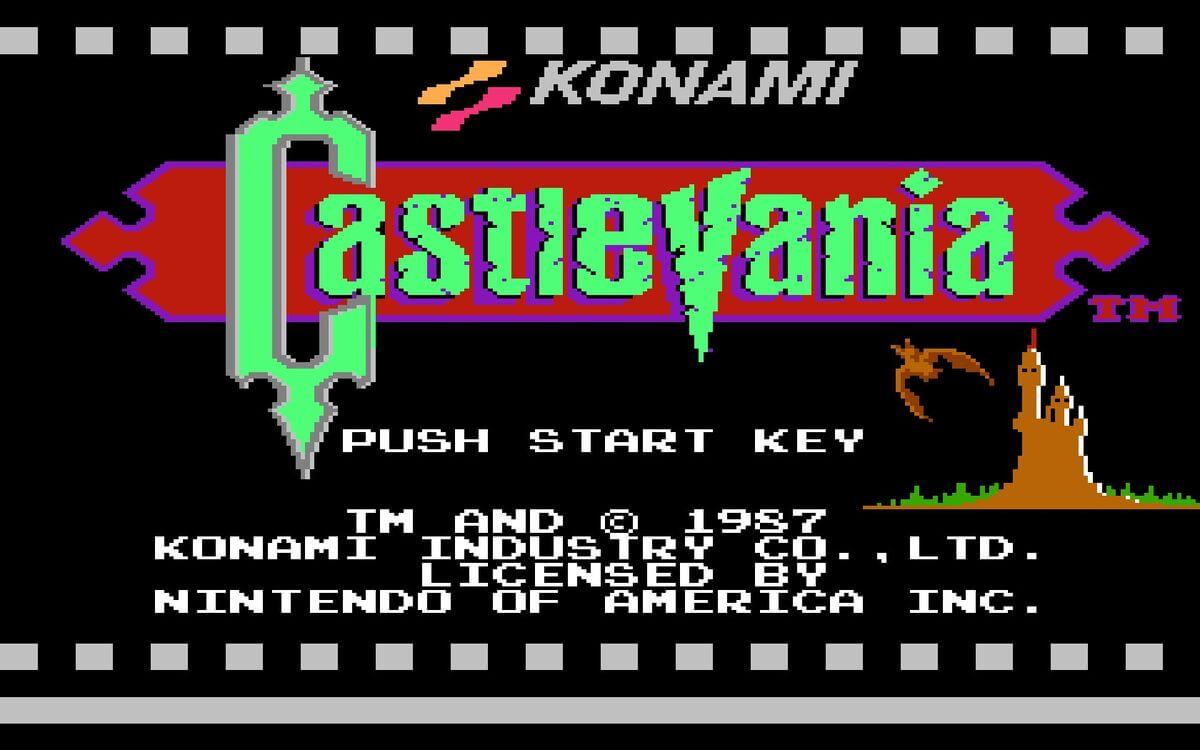
A gothic, punishingly difficult action game that demanded deliberate pacing and timing. Wielding the Vampire Killer whip through Dracula's castle set a moody atmospheric standard for 8-bit titles.
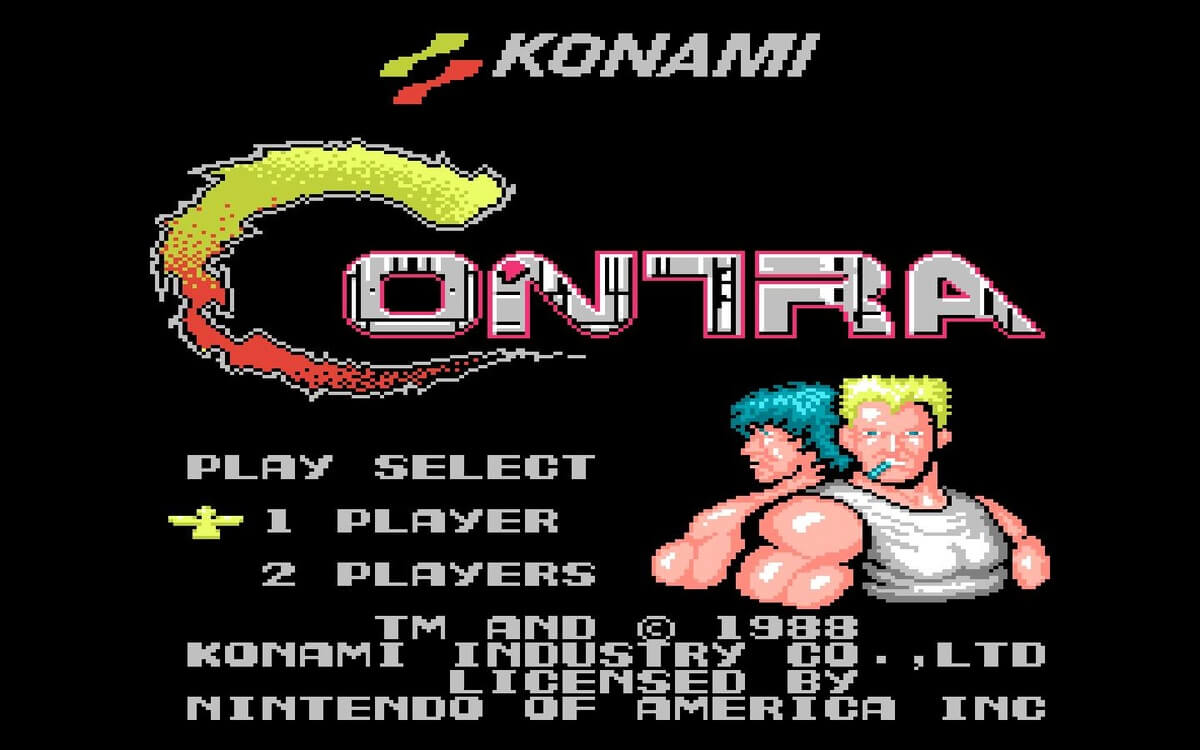
Defining the cooperative multiplayer experience at home. This high-octane shooter required lightning-fast reflexes, memorization, and famously popularized the Konami Code just to survive its brutal difficulty.
The catalyst for the 16-bit console war. By emphasizing momentum, physics-based rolling, and blistering speed, it offered a much-needed aggressive alternative to the methodical pace of its contemporaries.
ConsoleVault UK is committed to chronicling the hardware, the developers, and the masterpieces that turned electronic toys into a dominant global culture.
Discover Our MissionDisclaimer: ConsoleVault UK is a retro gaming publication for informational and entertainment purposes only. All product names, logos, brands, and trademarks featured on this website are the property of their respective owners. The content on this site does not constitute professional advice and is provided "as is" without warranties of any kind. Participation in affiliate programs may generate commission for purchases made through links. View our full Disclaimer.